Town Water Reports
Plant City Water: What the EWG Report Shows
Plant City water is groundwater from the Floridan Aquifer, treated with chlorine. What EWG lists for it next to the legal limits, plus 2026 watering rules.
Key takeaways
- City of Plant City water is groundwater from the Floridan Aquifer, treated with chlorine, for about 42,500 people.
- EWG's Tap Water Database lists 23 contaminants detected, with 10 above EWG's own health guidelines.
- Every one of them that has a legal limit is below it. EWG's guidelines are much stricter than the law and are not legal limits.
- Nine of the 10 are disinfection byproducts. TTHMs are at 62.1 ppb against an 80 ppb limit.
- Plant City follows the regional water district's rules, which have meant once-a-week lawn watering in 2026.
Plant City makes its own water. The City of Plant City pumps groundwater from the Floridan Aquifer and treats it with chlorine for about 42,500 people. This is a plain-English look at what the Environmental Working Group (EWG) lists for that water, how it compares with the legal limits, and what's been happening with it in 2026.
First, is this your water?
Many homes around Plant City are on private wells or small neighborhood systems, not city water. Check the name on your water bill. If it says City of Plant City, this report is about your water. If you're on a well, none of this applies and a test of your own water matters even more.
What is the EWG Tap Water Database?
The Environmental Working Group (EWG) is a nonprofit that collects the testing results utilities report to the state and puts them in one searchable place. Next to each result it shows two numbers:
- The legal limit, set by the EPA. Utilities must stay under it.
- EWG's health guideline, a much stricter number EWG sets itself. It is not a legal limit.
Seeing both side by side is the honest way to read the report: it tells you what the law requires and how far some people would like to go beyond it.
What EWG lists for Plant City water
For the City of Plant City, EWG lists 23 contaminants detected, and 10 are above EWG's guidelines. Here they are, with the legal limit wherever one exists:
| Contaminant | Level EWG lists | EWG guideline | Legal limit |
|---|---|---|---|
| Total trihalomethanes (TTHMs) | 62.1 ppb | 0.15 ppb | 80 ppb |
| Haloacetic acids (HAA5) | 34.4 ppb | 0.1 ppb | 60 ppb |
| Haloacetic acids (HAA9) | 38.5 ppb | 0.06 ppb | None |
| Chloroform | 44.5 ppb | 0.4 ppb | None of its own (counted in TTHMs) |
| Bromodichloromethane | 13.8 ppb | 0.06 ppb | None of its own (counted in TTHMs) |
| Dibromochloromethane | 6.03 ppb | 0.1 ppb | None of its own (counted in TTHMs) |
| Dichloroacetic acid | 19 ppb | 0.2 ppb | None of its own (counted in HAA5) |
| Trichloroacetic acid | 15.9 ppb | 0.1 ppb | None of its own (counted in HAA5) |
| Dibromoacetic acid | 1.02 ppb | 0.03 ppb | None of its own (counted in HAA5) |
| Radium, combined (-226 and -228) | 1.29 pCi/L | 0.05 pCi/L | 5 pCi/L |
ppm = parts per million. ppb = parts per billion. ppt = parts per trillion. pCi/L = picocuries per liter, a unit for radioactivity. Source: EWG Tap Water Database, City of Plant City Utility.
How to read these numbers
Everything with a legal limit is under it. TTHMs are at 62.1 ppb against an 80 ppb limit, HAA5s at 34.4 ppb against 60, and radium at 1.29 pCi/L against 5.
Disinfection byproducts lead the list. TTHMs and haloacetic acids form when the disinfectant the city adds (free chlorine) to keep water germ-free reacts with natural organic matter. Our TTHMs and HAA5s guide explains them.
Plant City's byproduct numbers are on the higher side. Plant City's TTHM level is among the closest to the legal limit of the local systems in this series, though still under it. Utilities manage byproducts by balancing how much disinfectant they add against how much organic matter is in the water.
Which filter types EWG says can reduce them
EWG's database also shows which types of home filters can reduce each contaminant. For this system's list, it shows:
- Carbon filtration for most of this list, but not for radium.
- Reverse osmosis for everything on this list, including radium.
That's EWG's guidance about filter technologies in general. It is not a lab result for any particular system, and how much a filter reduces depends on its design and how it's maintained. Our pitcher vs. under-sink vs. whole-home guide walks through the trade-offs.
What's been happening with this water in 2026
Once-a-week watering. Plant City adopts the Southwest Florida Water Management District's water shortage rules. The district's Modified Phase III order, effective April 3, 2026, limits lawn watering to one day a week across the district, including homes on private wells, with stricter watering hours. Check the current schedule with the city or at WaterMatters.org.
Disinfection byproducts are on the city's own report too. Plant City's annual water quality report lists TTHMs and HAA5s, measured as a running average at sampling sites around the city. Our guide to reading your water quality report shows where to find those lines.
What this report can't tell you
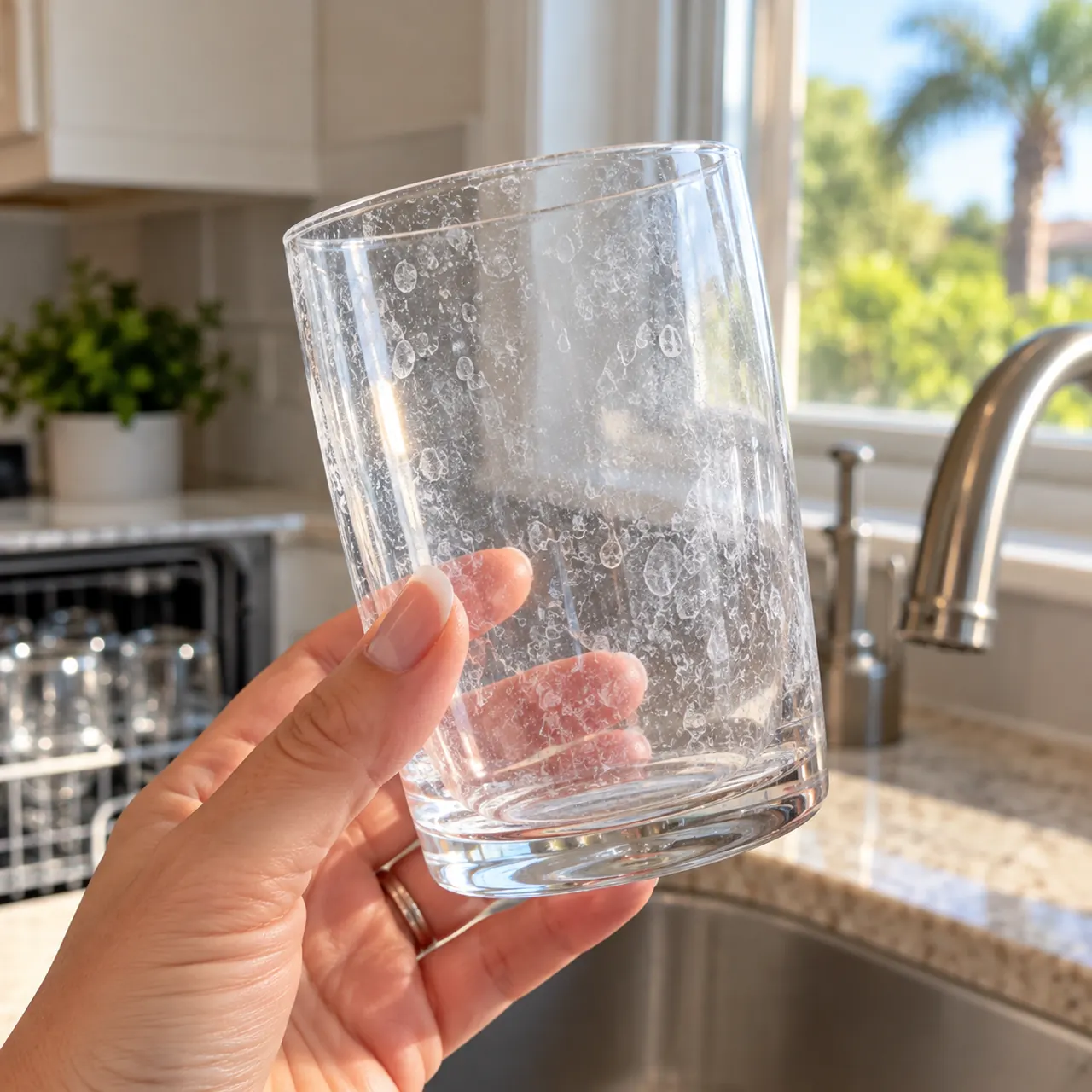
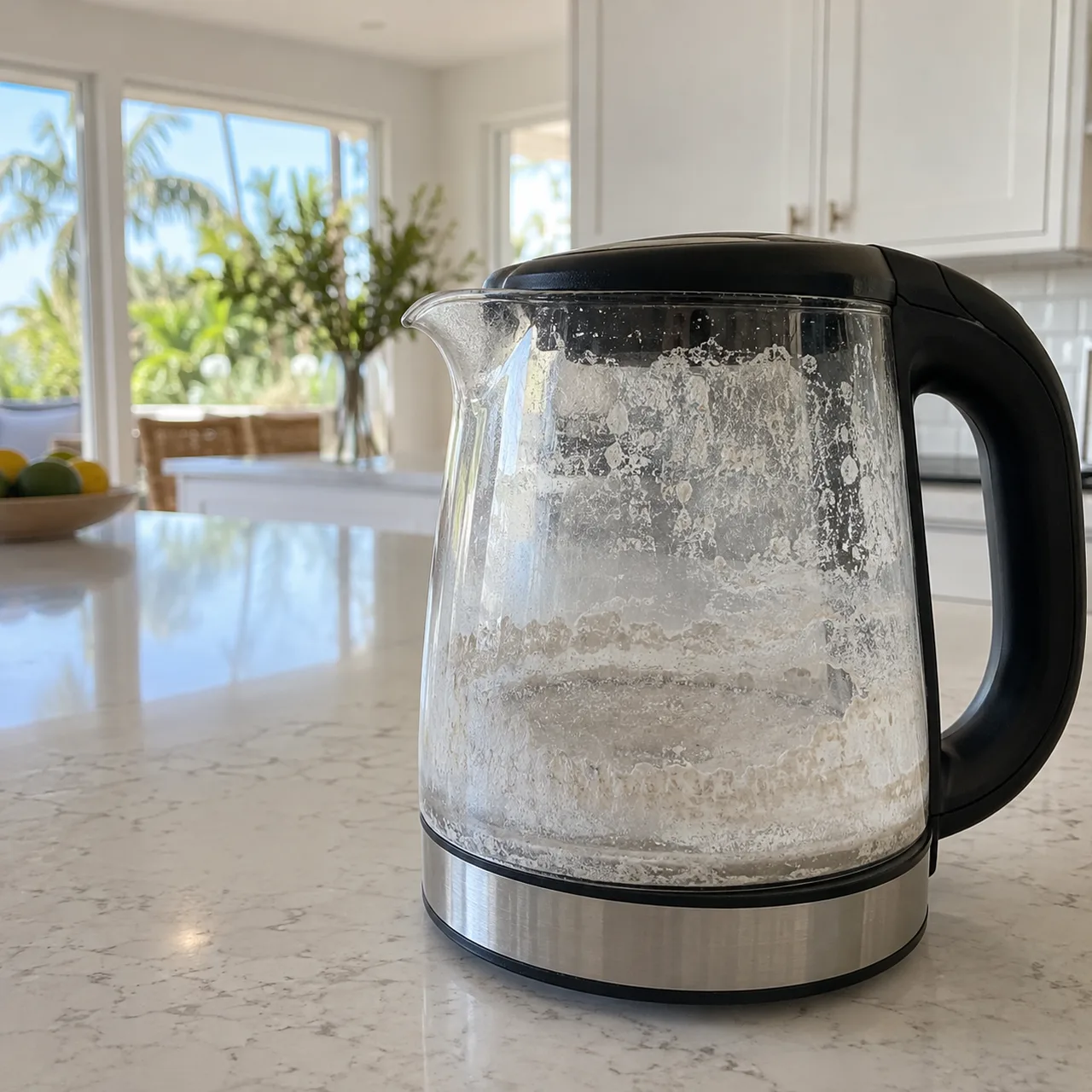
A utility report is a system-wide picture, built from samples taken around the system over time. It doesn't measure what comes out of your kitchen faucet today. It also doesn't cover hardness, the thing most Plant City homeowners actually notice on glasses, shower doors and fixtures. Our hard water guide covers that.
If you'd like to see your own numbers, we offer a free in-home water test of your raw tap water: chlorine and chloramine, hardness, pH and more, right at your kitchen counter. Call or text us anytime at (727) 334-0333.
Frequently asked questions
Where does Plant City get its water?
City of Plant City water is groundwater from the Floridan Aquifer, treated with chlorine. It serves about 42,500 people.
Is Plant City water above the legal limits?
No. In EWG's Tap Water Database, every contaminant listed for Plant City that has a legal limit is below it. EWG lists 10 contaminants above its own stricter guidelines, which are not legal limits.
What are TTHMs in Plant City water?
Total trihalomethanes are disinfection byproducts that form when chlorine reacts with natural matter in water. EWG lists Plant City at 62.1 ppb; the legal limit is 80 ppb.
Sources
- Tap Water Database: search results for ZIP 33563, Environmental Working Group
- Current water use restrictions, City of Plant City
- Modified Phase III water shortage order fact sheet, Southwest Florida Water Management District
- District water restrictions, Southwest Florida Water Management District
We check local facts against official sources such as utility water quality reports and government notices. Spot something out of date? Text us at (727) 334-0333 and we'll fix it.