Buying Guides
Pitcher, Fridge Filter, Under-Sink RO or Whole-Home: Which Do You Need?
An honest comparison of the four common ways to treat water at home, what each one does well, where each falls short, and how to match the option to your actual water.
Key takeaways
- Pitcher and fridge filters treat only the water you drink, and need frequent cartridge changes.
- Under-sink reverse osmosis gives very low-mineral drinking water at one faucet.
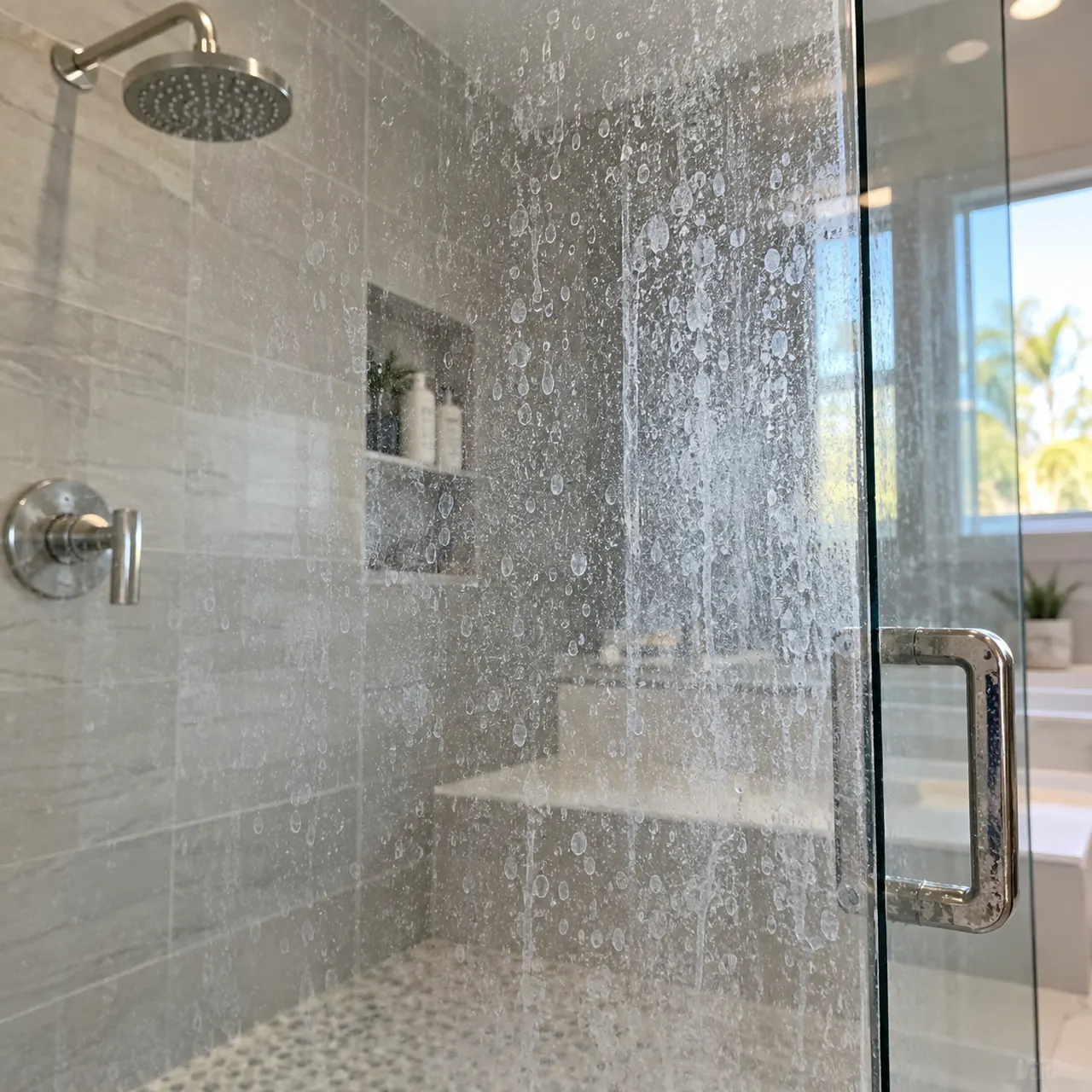
- Whole-home systems treat every tap and shower, and are the only option that helps with hard water scale and shower chlorine or chloramine.
- Start with what's actually in your water. The right answer depends on your test results, not a sales pitch.
Walk down any store aisle and you'll find dozens of filters promising better water. They're not all doing the same job. Here's an honest look at the four most common options so you can match the tool to the problem.
Option 1: Pitcher filters
What they do well: Inexpensive and easy. Most use activated carbon, which improves the taste and smell of chlorine. Some are certified for specific contaminants; check the packaging for the exact list.
Where they fall short: Small volume, slow filtering, and cartridges that need changing often. They don't touch hardness, and most aren't designed for chloramine. They only treat the water you pour.
Good fit for: Renters, dorms, or anyone who mainly wants better-tasting drinking water on a tight budget.
Option 2: Refrigerator filters
What they do well: Convenient cold water and ice. Like pitchers, they mostly use carbon to improve taste and odor.
Where they fall short: Small cartridges with limited contact time, and replacements can be pricey. They only treat water going to the fridge.
Good fit for: Better-tasting water and ice, as long as you keep up with cartridge changes.
Option 3: Under-sink reverse osmosis (RO)
What it does well: Reverse osmosis pushes water through a very fine membrane, usually paired with carbon pre- and post-filters. It produces drinking water that is very low in dissolved minerals and many other substances, at one dedicated faucet.
Where it falls short: It treats only that faucet, it sends some water to the drain as part of the process, and its filters and membrane need periodic replacement. It doesn't help your showers, laundry, appliances or water heater.
Good fit for: Households that want the highest level of drinking water treatment. Many homes pair RO with a whole-home system. See our reverse osmosis drinking water page.
Option 4: Whole-home (point-of-entry) systems
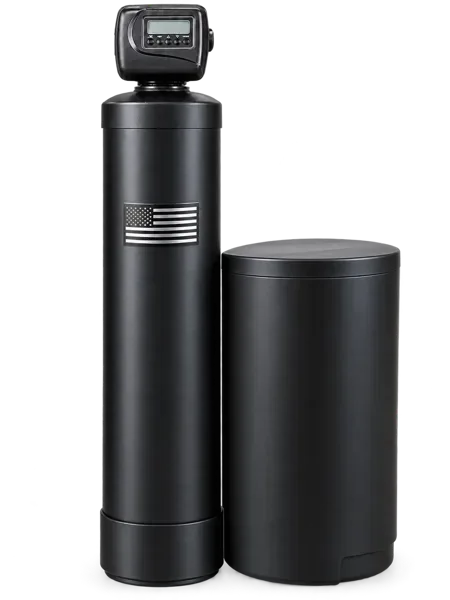
What they do well: Installed where water enters your house, they treat every faucet, shower, toilet and appliance. Two main types are common in Tampa Bay:
- Carbon filtration to reduce chlorine or chloramine. Chloramine calls for catalytic activated carbon, a more reactive grade made for it, and a tank large enough for good contact time. Our premium filters use catalytic carbon.
- Water softeners to remove the calcium and magnesium that cause hard water scale.
Many city-water homes need both, which is why combination systems exist.
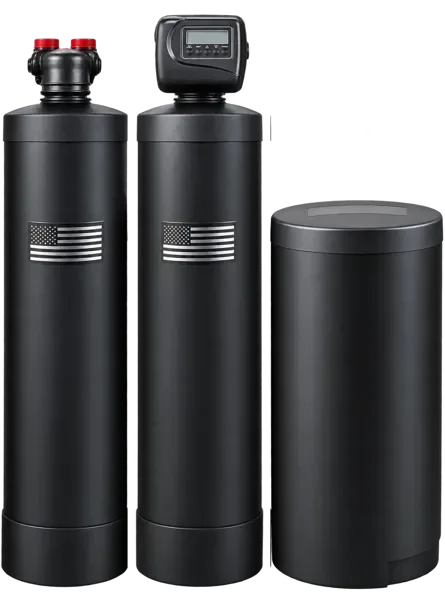
Where they fall short: Higher upfront cost and a professional install. Carbon media and softener resin wear over time and need eventual replacement, and softeners use salt.
Good fit for: Homeowners dealing with hard water, chlorine or chloramine in showers, scale on fixtures, or who simply want treated water at every tap. See whole-home water filtration, water softeners and the softener and carbon combo.
Quick comparison
| Pitcher | Fridge | Under-sink RO | Whole-home | |
|---|---|---|---|---|
| Treats drinking water | Yes | Yes | Yes | Yes |
| Treats showers and laundry | No | No | No | Yes |
| Helps with hard water scale | No | No | At one faucet | Yes, with a softener |
| Chloramine | Usually limited | Usually limited | At one faucet | Yes, with catalytic carbon |
| Install | None | None | Under the sink | Professional |
How to choose honestly
Start with your water, not the product. Your water quality report tells you which disinfectant your utility uses, and a hardness test tells you whether a softener makes sense. If any product claims to reduce a specific contaminant, look for independent certification for that exact contaminant.
And sometimes the cheapest option really is the right call. If you just want better-tasting drinking water, a pitcher may be all you need. We'll tell you that. Our free in-home water test checks hardness, chlorine and chloramine, pH and dissolved minerals at your tap, and we'll explain the results without pressure. Call or text anytime at (727) 334-0333.
Frequently asked questions
Do pitcher filters remove chloramine?
Most pitcher filters use standard activated carbon, which is much less effective on chloramine than on chlorine. Check the product's certifications for chloramine specifically.
Is reverse osmosis better than a whole-home filter?
They do different jobs. Reverse osmosis gives very low-mineral drinking water at one faucet. A whole-home system treats every tap and shower for things like hardness and chlorine or chloramine. Many homes use both.
Do I need a softener and a carbon filter?
Many Tampa Bay city-water homes have both hard water and chlorine or chloramine, so a combination system addresses both. A water test tells you which you actually need.
Sources
- Hardness of Water, U.S. Geological Survey
- 2025 Water Quality Report, South-Central systems (chloramine disinfection), Hillsborough County Water Resources
We check local facts against official sources such as utility water quality reports and government notices. Spot something out of date? Text us at (727) 334-0333 and we'll fix it.