Water Tips
Tankless Water Heaters and Hard Water: Scale, Flushing and Prevention
Tankless water heaters are efficient, but hard water leaves scale in the heat exchanger. Here's how scale affects them, how often to flush, and how to cut buildup at the source.
Key takeaways
- When hard water is heated, calcium and magnesium come out of solution and stick to hot surfaces as scale.
- In a tankless heater, that scale forms in the heat exchanger, which can reduce efficiency and trigger error codes.
- Follow your manufacturer's flushing schedule; hard water often means flushing more often.
- Softened water greatly reduces new scale, but keep up the maintenance your heater's manual calls for.
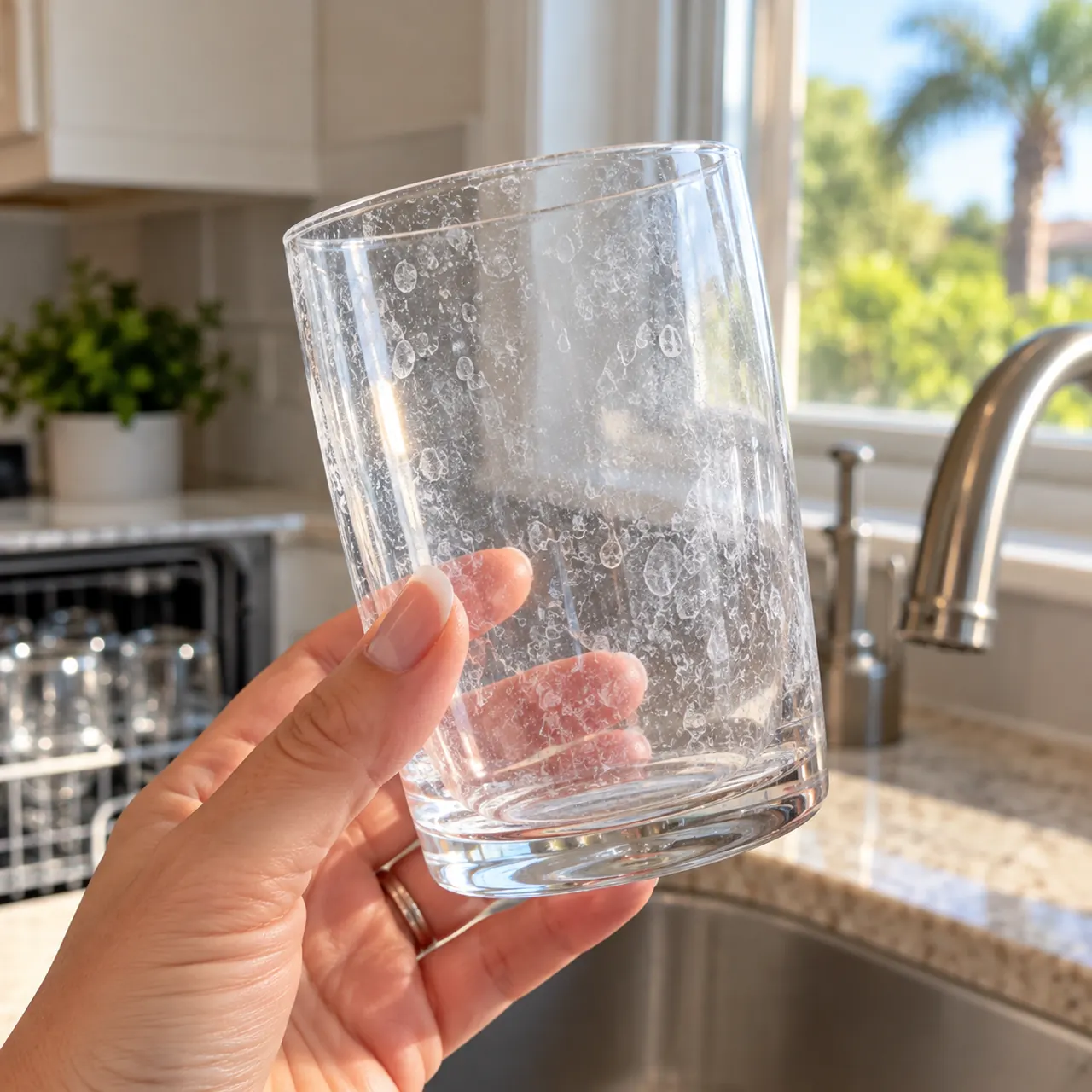
Tankless water heaters are popular in Florida homes because they heat on demand and save space. But they have a weak spot: hard water. The photo above shows what years of scale can do to a tank heater. Tankless units don't have a tank to fill up, but scale still builds where it matters most.
Why hard water causes scale
Hard water carries dissolved calcium and magnesium. Heat makes those minerals less soluble, so when water hits a hot surface, some of them come out and stick as a chalky layer. Tampa Bay water is often hard to very hard. The City of Tampa's 2022 report listed an average of about 10.9 grains per gallon. (See hard water in Tampa Bay.)
What scale does in a tankless heater
A tankless heater pushes water through a narrow heat exchanger and heats it fast. Scale on those surfaces acts like insulation, so the burner or elements work harder to hit the same temperature. Over time you may notice:
- Hot water that takes longer or fluctuates
- Lower flow at hot taps
- Scale or overheat error codes on the unit's display
- Higher energy use for the same hot water
How often to flush
Manufacturers publish their own schedules, and they vary. Many recommend at least yearly maintenance, with more frequent descaling in hard water. Your heater's manual is the rule to follow, and it also says whether flushing is a homeowner job or one for a licensed plumber. Don't skip it if your unit is under warranty, since some warranties require maintenance in hard-water areas.
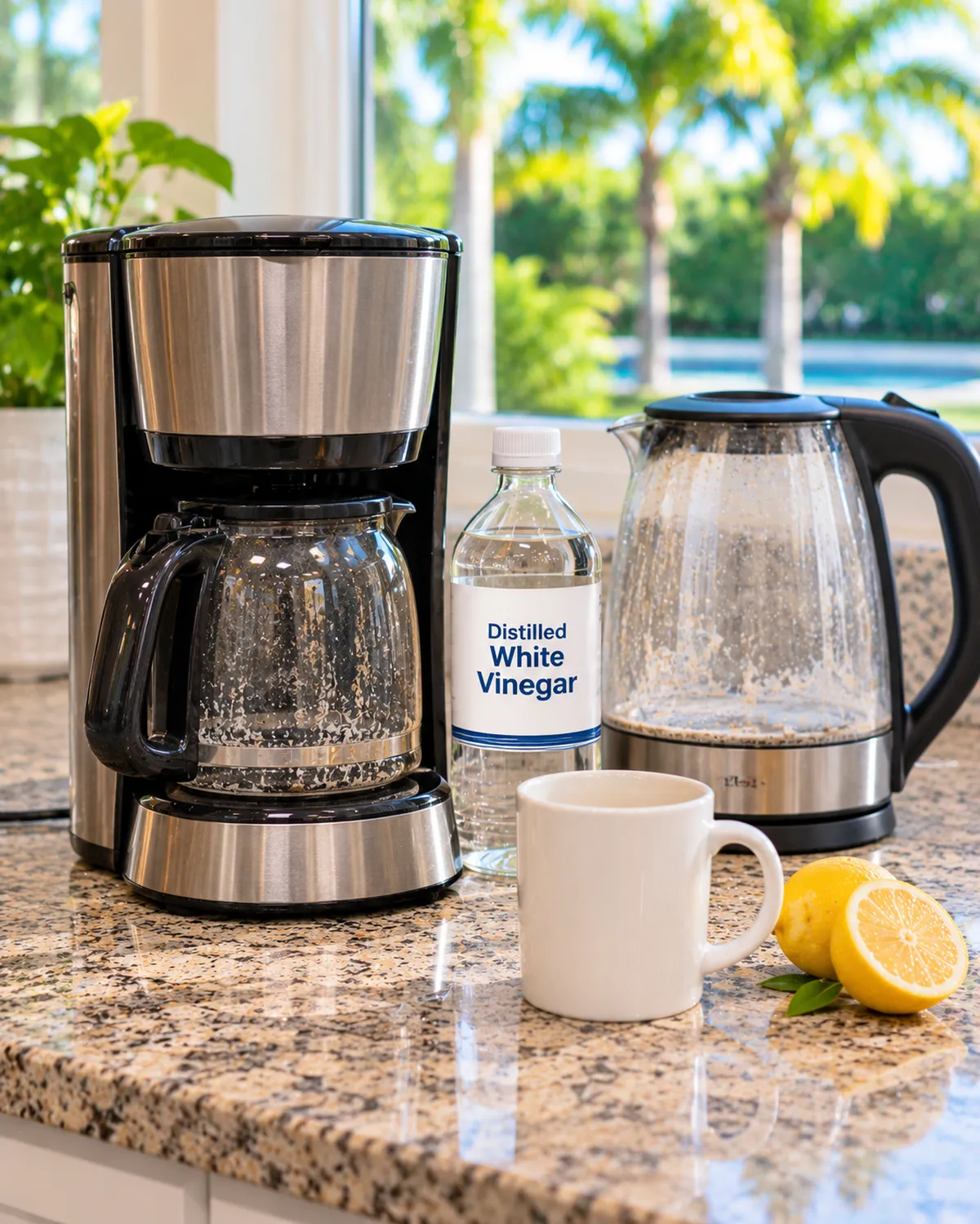
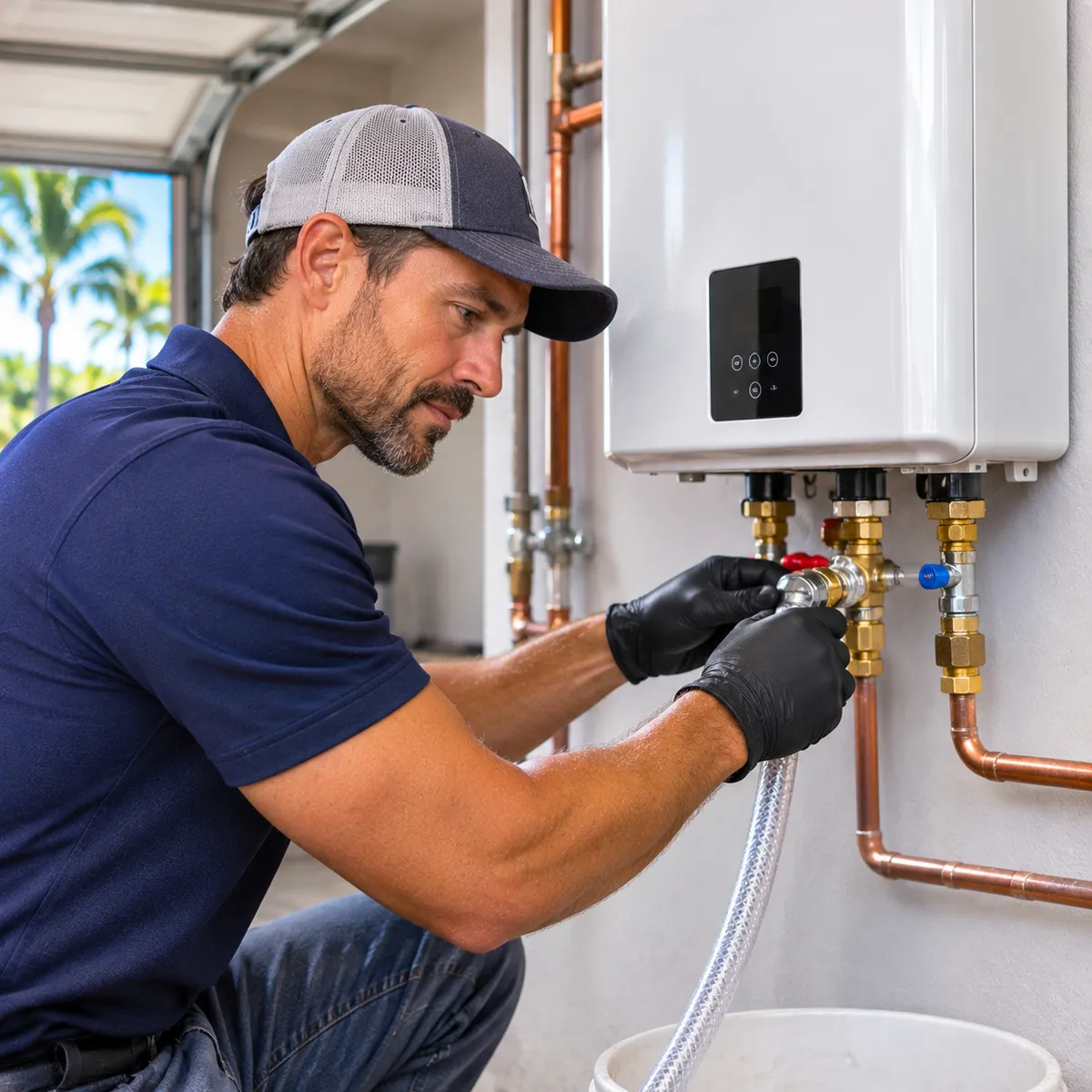
A typical flush circulates a mild descaling solution (often food-grade vinegar or a manufacturer-approved descaler) through the heat exchanger using the unit's service valves, then rinses it clean.
Prevention: reduce scale at the source
A water softener removes the calcium and magnesium before they reach the heater, which greatly reduces new scale. That said, softening doesn't replace the maintenance in your manual. Keep flushing on the schedule your manufacturer gives.
Salt-free conditioners are another option some people consider for scale. They don't remove hardness; see softener vs salt-free conditioner for the trade-offs.
Know your hardness
How hard your water is affects how often you'll need to descale. Our free in-home water test measures it at your tap. Call or text (727) 334-0333 anytime.
Frequently asked questions
Does hard water damage tankless water heaters?
Hard water leaves scale in the heat exchanger, which can reduce efficiency, cause error codes and shorten service life if it isn't flushed.
How often should I flush a tankless water heater?
Follow your manufacturer's schedule. Many recommend at least yearly maintenance and more frequent descaling with hard water.
Do I still need to flush if I have a softener?
Yes, follow your heater's manual. Softened water greatly reduces new scale, but manufacturers still call for routine maintenance.
Sources
- Hardness of Water, U.S. Geological Survey
- 2022 Water Quality Report, City of Tampa Water Department
- Water heater maintenance guidance (EDIS publication), University of Florida IFAS Extension (EDIS)
We check local facts against official sources such as utility water quality reports and government notices. Spot something out of date? Text us at (727) 334-0333 and we'll fix it.