Water Quality
How Does Lead Get Into Tap Water? What the EPA Says
Lead usually comes from plumbing, not the water source. Here is how it gets into tap water, which homes are more likely to have it and how to learn more.
Key takeaways
- The EPA says lead gets into drinking water mainly through corrosion of lead-containing plumbing.
- Lead service lines are typically the most significant source, according to the EPA.
- Homes built before 1986 are more likely to have lead pipes, solder or fixtures.
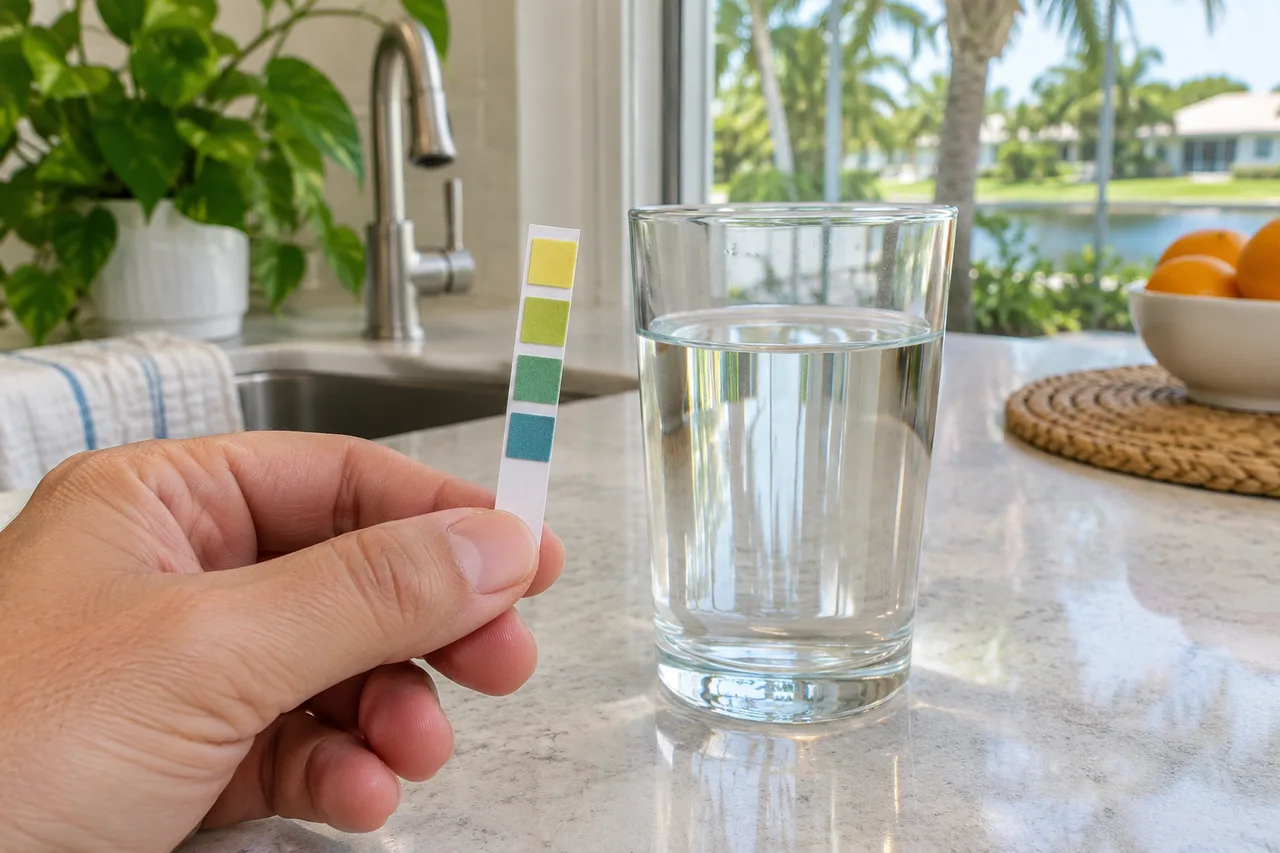
- Testing is the only sure way to know what is in your water.
Most public water leaves the treatment plant free of lead. The concern is what happens on the way to your tap.
Where it comes from
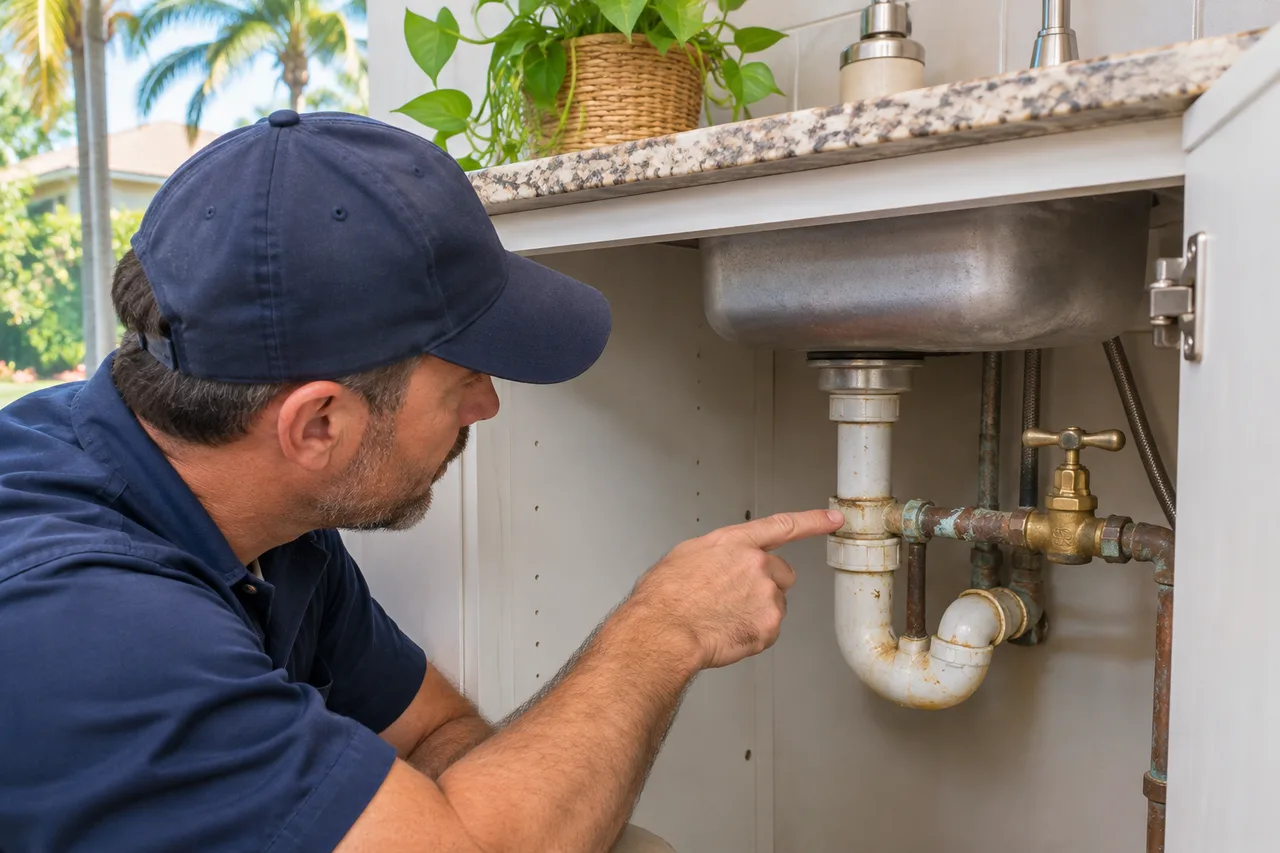
The EPA says lead enters drinking water when plumbing that contains lead corrodes, especially where the water is acidic or low in minerals. Lead service lines, the pipe from the main to a home, are typically the most significant source. Where there is no lead service line, the EPA says the most common issue is brass or chrome-plated brass faucets and lead solder.
Which homes are more likely
The EPA notes lead pipes are more likely in older cities and in homes built before 1986. Corrosion also depends on water temperature, pipe wear, how long water sits in the pipes and protective scale inside them.
What you can do
The EPA says testing is the only sure way to know. It also says bathing and showering should be safe, since skin does not absorb lead in water. For flushing, filters and the cost of lab testing, read our follow-up on flushing, testing and filters.
Questions about your home?
We are not a lab, but we can talk through your plumbing age and water chemistry. Call or text us at (727) 334-0333 or request a free in-home water test.
Frequently asked questions
Where does lead in tap water come from?
The EPA says it comes mainly from corrosion of plumbing that contains lead, such as lead service lines, brass fixtures and lead solder.
Are homes built before 1986 more likely to have lead plumbing?
The EPA says lead pipes are more likely in older cities and in homes built before 1986.
Is it safe to shower?
The EPA says bathing and showering should be safe, since human skin does not absorb lead in water.
Sources
- Basic Information about Lead in Drinking Water, U.S. Environmental Protection Agency
- Protect Your Tap: A Quick Check for Lead, U.S. Environmental Protection Agency
We check local facts against official sources such as utility water quality reports and government notices. Spot something out of date? Text us at (727) 334-0333 and we'll fix it.