Water Quality
What Are EPA Secondary Drinking Water Standards? Taste, Smell and Stain Limits
Secondary standards cover the things you notice in tap water, like taste, color, smell and stains. Here is what the EPA limits are, what they mean and what they do not.
Key takeaways
- Secondary standards are guidelines for things you can see, taste or smell. The EPA says it does not enforce them.
- The EPA says these contaminants are not considered to present a risk to human health at the listed levels.
- Examples include iron at 0.3 mg/L, manganese at 0.05 mg/L, pH of 6.5 to 8.5 and total dissolved solids at 500 mg/L.
- Public systems are not required to monitor for these, so a home test can fill the gap.
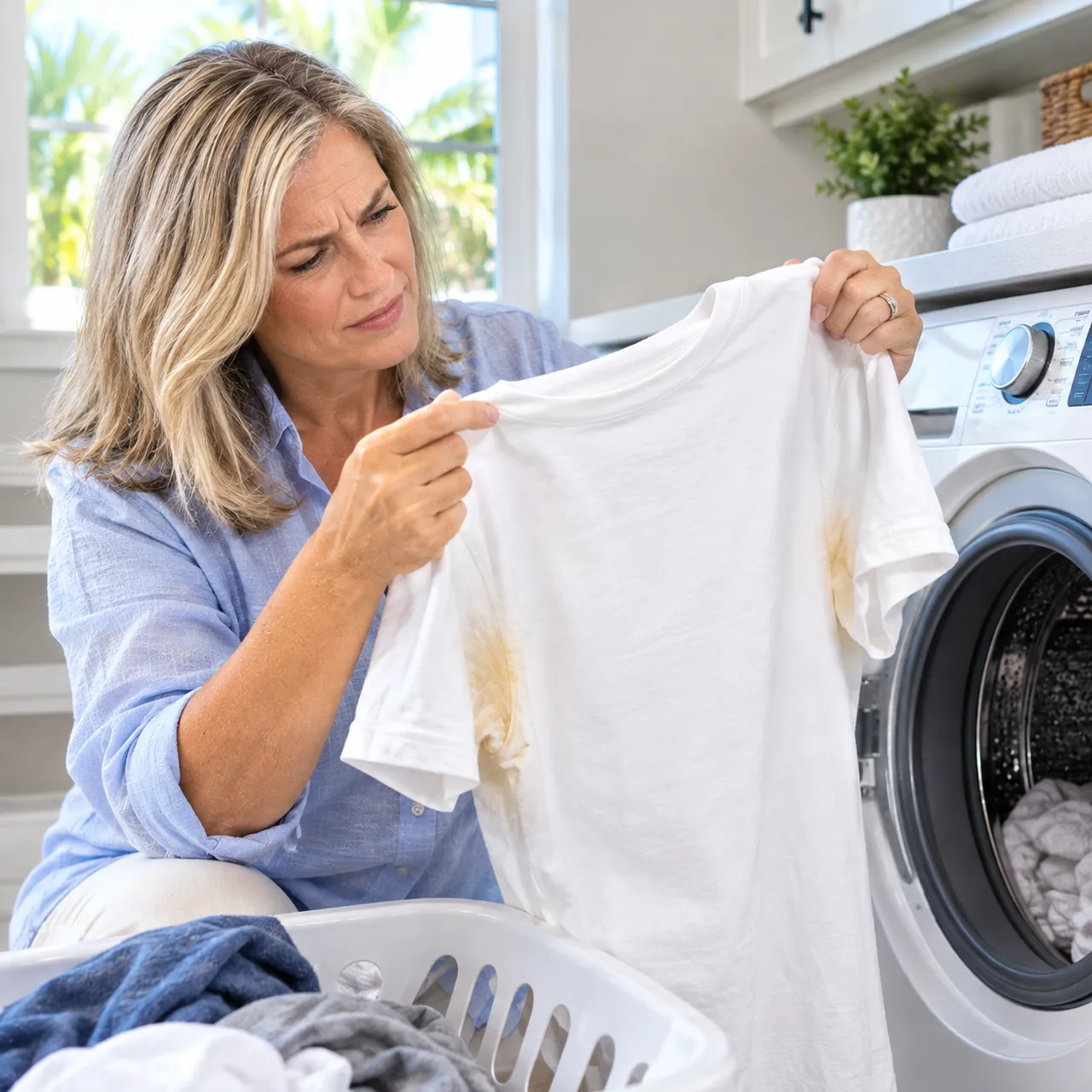
When people read a water quality report, they usually look for health limits. But many of the things that bother homeowners, like a metallic taste, orange stains or a musty smell, fall under a different list: the EPA's secondary standards.
What secondary standards are
The EPA calls these secondary maximum contaminant levels (SMCLs). They are guidelines for aesthetic things: taste, color, odor and staining. The EPA says it does not enforce them, and that the listed contaminants are not considered to present a risk to human health at the SMCL.
The numbers, in plain language
- Iron, 0.3 mg/L: rusty color, sediment, metallic taste, reddish or orange staining
- Manganese, 0.05 mg/L: black to brown color, black staining, bitter metallic taste
- pH, 6.5 to 8.5: low pH can taste bitter and metallic and corrode; high pH can feel slippery and leave deposits
- Total dissolved solids, 500 mg/L: hardness, deposits, staining, salty taste
- Chloride and sulfate, 250 mg/L each: salty taste
- Copper, 1.0 mg/L: metallic taste and blue-green staining
Why your report may not mention them
The EPA notes that public water systems are not required to monitor for secondary contaminants, although many do. If you have a stain, taste or smell and the report looks clean, a test of your own tap can show what is behind it. Our guide to reading your water quality report explains the rest of the page.
Get your own numbers
Our free in-home water test checks your tap water, so you can see where you land. Call or text us at (727) 334-0333 to set one up.
Frequently asked questions
Are secondary standards enforceable?
No. The EPA says it does not enforce secondary maximum contaminant levels. They are guidelines for taste, color, odor and staining.
Do secondary standards mean the water is unsafe?
The EPA says these contaminants are not considered to present a risk to human health at the SMCL. They are about how water looks, tastes and smells.
Does my utility test for them?
The EPA says public systems are not required to monitor for secondary contaminants, though many do. Check your utility's yearly report.
Sources
- Secondary Drinking Water Standards: Guidance for Nuisance Chemicals, U.S. Environmental Protection Agency
We check local facts against official sources such as utility water quality reports and government notices. Spot something out of date? Text us at (727) 334-0333 and we'll fix it.