Water Tips
Orange or Rust Stains on White Laundry? Iron in Your Water May Be the Cause
Yellow, orange or rust-colored spots on white clothes often point to iron in the water, especially on a well. Learn why bleach can make it worse and how to find the source.
Key takeaways
- Rust-colored stains on laundry, sinks and toilets are a common sign of iron in the water. The EPA lists reddish or orange staining as a noticeable effect of iron above 0.3 mg/L.
- Chlorine bleach can react with iron in the wash water and set rust stains into clothes.
- On a private well, iron and iron bacteria are common causes. On city or county water, rusty water can come from pipes, so call your utility.
- A water softener is not an iron treatment; a test result should guide the fix.
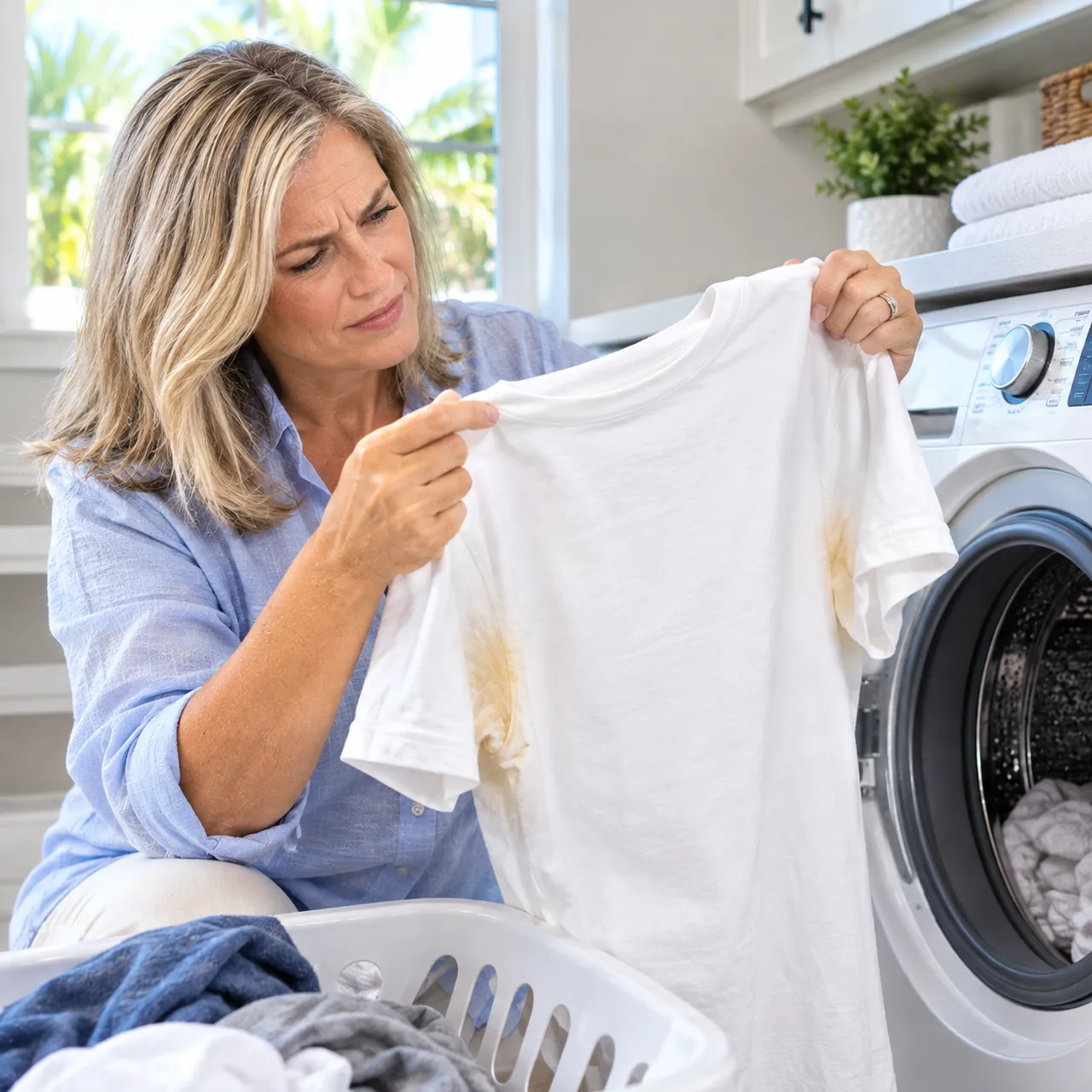
You pull a load of whites out of the washer and there they are: yellow or orange blotches that weren't there before. Wash again and they don't come out. They might even get worse. If this keeps happening, the problem may not be your detergent or your washer. It may be iron in your water.
How to tell if it's iron
Iron leaves a trail around the house. Look for:
- Yellow, orange or rust-colored spots on white laundry
- Orange or brown rings in toilets, tubs and sinks
- Water that looks slightly tinted, especially after it sits
- A metallic taste
- Reddish slime inside the toilet tank
The U.S. Environmental Protection Agency (EPA) lists iron among its "secondary" drinking water standards, which are non-mandatory guidelines for things like taste, color and odor. The EPA guideline for iron is 0.3 mg/L, and the noticeable effects it lists are a rusty color, sediment, a metallic taste and reddish or orange staining.
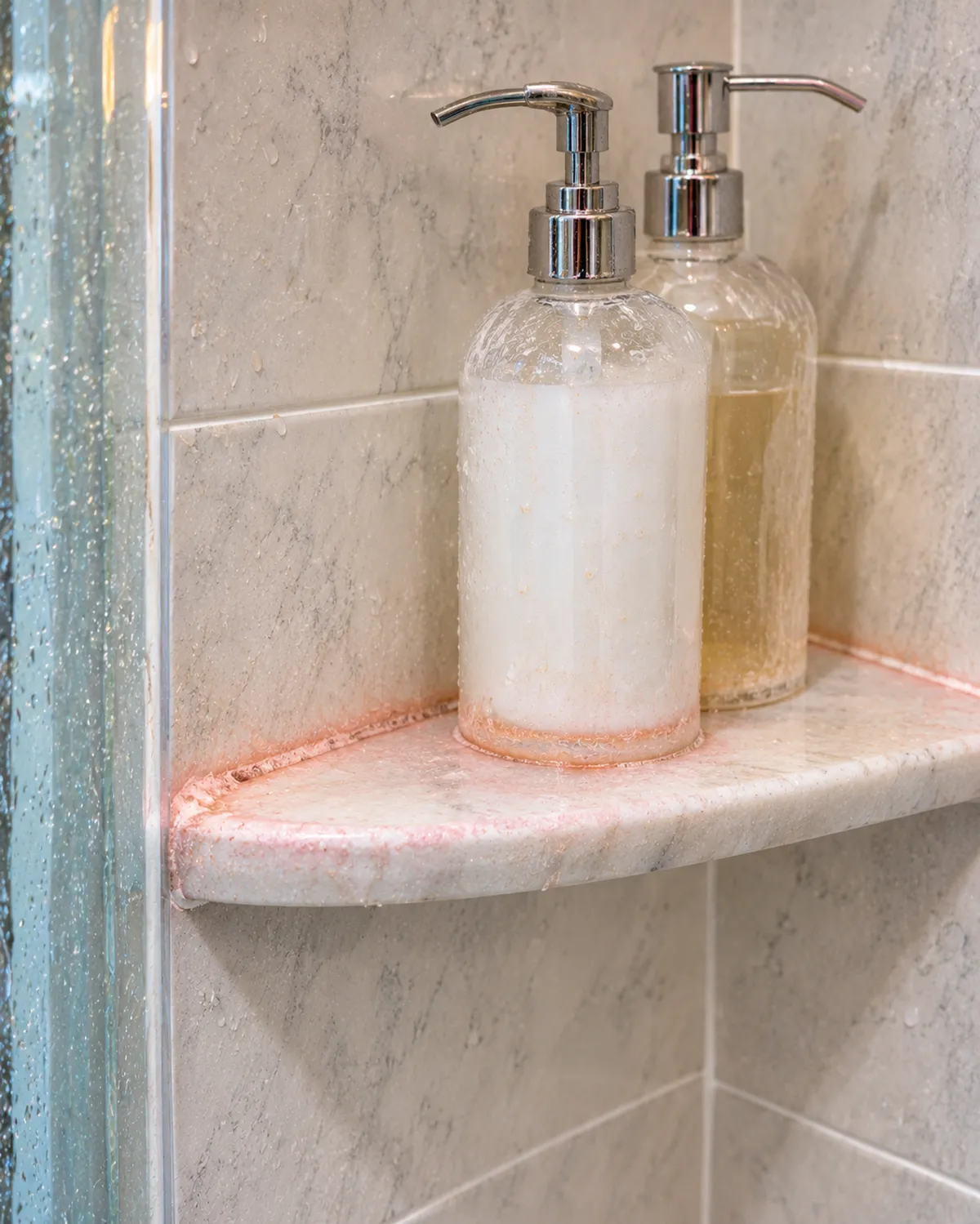
A pink or salmon-colored ring is usually something different. Our article on pink rings in the shower and toilet explains that one.
Why bleach can make it worse
This is the surprising part for many people. New Mexico State University's extension service warns that iron in water will interact with chlorine bleach and make rust stains on clothes. So if you reach for bleach to rescue a stained white shirt, you may be setting the stain instead.
If you suspect iron:
- Skip chlorine bleach on loads with rust-colored spots.
- Use a laundry product labeled for rust stain removal, and follow the label exactly. Never mix it with bleach.
- Test on a hidden spot first and check the care label.
- Don't put stained items in the dryer until the stain is gone, since heat can make stains harder to remove.
Where the iron comes from
If you're on a private well
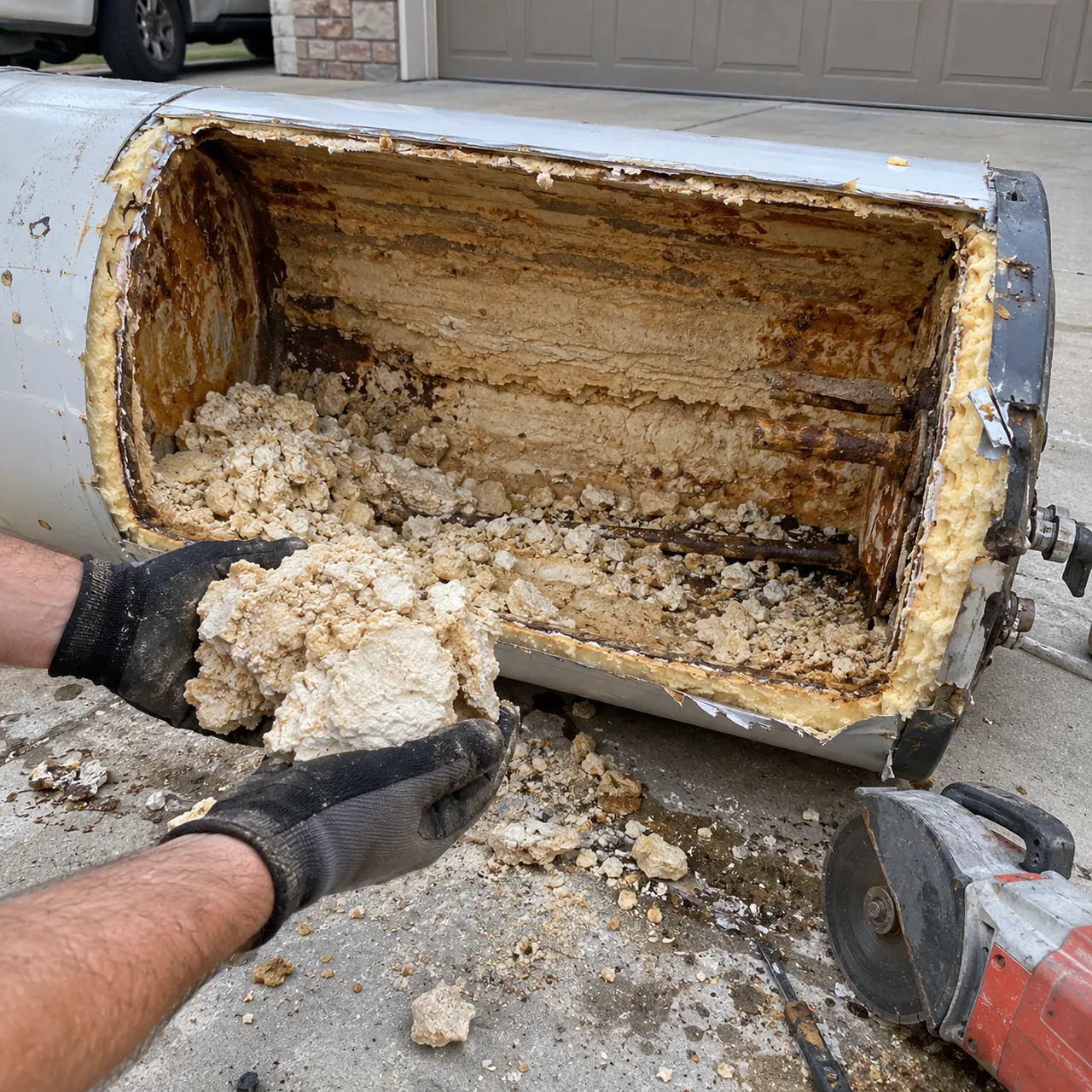
Iron occurs naturally in groundwater in many places. The Florida Department of Health also points to iron bacteria, harmless nuisance organisms that combine iron (or manganese) and oxygen to form rust deposits. The department says iron bacteria will typically cause yellow, orange, red or brown stains and colored water, and they make a sticky slime that is commonly rusty in color.
The department notes that iron bacteria in a well are most often handled with chemical treatment, usually disinfection with household chlorine bleach, and that high levels can be tricky and costly to treat. That kind of well treatment is best done by a licensed well contractor. Florida health officials also recommend testing a private well for bacteria and nitrate at least once a year.
If you're on city or county water
Public water systems treat their water, but rusty or discolored water can still show up, for example from older pipes or after nearby water main work. If your cold water suddenly looks rusty, call your water utility and let them know. They can tell you whether there's work in your area and how long to run the tap.
Will a water softener fix iron stains?
Not reliably. A softener is built to reduce hardness, not to be an iron treatment. Penn State Extension notes that iron which has been exposed to air or chlorine will clog a softener's resin, which is why iron is usually handled before water reaches a softener. Homes with iron typically need a dedicated iron filter, and the right one depends on how much iron is in the water and whether iron bacteria are present.
That's why a test comes first. Guessing can mean buying the wrong equipment, or equipment that wears out early.
Next steps
- Stop using chlorine bleach on stained loads for now.
- Notice whether the staining shows up in toilets and sinks too, and mention it when you get your water tested.
- If you're on a well, get a lab test for bacteria and ask about iron.
- If you're on city water, call your utility.
Our free in-home water test checks your raw water for hardness, chlorine or chloramine, pH and dissolved minerals, which helps you understand what's in your water before choosing a fix. Well owners should also use a certified lab for bacteria. If you have questions, call or text (727) 334-0333. You can also read our guide to sulfur smells in water, since iron and sulfur often show up together on wells.
Frequently asked questions
Why do my white clothes have orange spots after washing?
A common cause is iron in the water. The EPA lists reddish or orange staining as a noticeable effect of iron above 0.3 mg/L. Using chlorine bleach with iron-rich water can make rust stains worse.
Can bleach remove rust stains from clothes?
Chlorine bleach usually makes iron stains worse. New Mexico State University's extension service says iron in water reacts with chlorine bleach to form rust stains. Use a product labeled for rust stains instead, and never mix it with bleach.
Does a water softener remove iron?
A softener is designed for hardness, not as an iron treatment. Penn State Extension notes that oxidized iron clogs softener resin, so homes with iron usually need a dedicated iron filter matched to a test result.
Is iron in well water dangerous?
The EPA treats iron as a secondary, non-mandatory standard based on taste, color and staining. Florida health officials still recommend testing private wells for bacteria and nitrate at least once a year.
Sources
- Secondary Drinking Water Standards: Guidance for Nuisance Chemicals, U.S. Environmental Protection Agency
- Getting Clothes Clean (Guide C-503), New Mexico State University Cooperative Extension Service
- Well Water Facts: Odor and Staining, Florida Department of Health
- Water Softening, Penn State Extension
- Private Well Testing, Florida Department of Health
We check local facts against official sources such as utility water quality reports and government notices. Spot something out of date? Text us at (727) 334-0333 and we'll fix it.