Local News
Tampa Bay Water Eases Drought Stage After a Wet October: What Changed and What Didn't
Tampa Bay Water moved from Stage III to a Stage II drought warning in November 2026 after a wetter-than-normal October. Here's what that means for your tap and why your watering day hasn't changed.
Key takeaways
- On Nov. 3, 2026, Tampa Bay Water lifted its Stage III water shortage and moved to a Stage II severe drought warning, its first step down since November 2025.
- October rain averaged 6.5 inches across the region, 3.8 inches above normal, and the regional reservoir was about 92% full at the end of the month.
- Lawn watering rules did not change. They are set by the Southwest Florida Water Management District, and Tampa Bay Water says to keep following your assigned day and times.
- The drought isn't over: rainfall and river flows are still below long-term averages.
After more than a year of drought headlines, there's finally some good news for Tampa Bay's water supply. On November 3, 2026, Tampa Bay Water, the wholesale utility that supplies drinking water to much of the region, announced it was lifting its Stage III water shortage. Here's what changed, what didn't, and what it means at home.
What Tampa Bay Water announced
According to the utility's news release (dated Nov. 3 and updated Nov. 6), Tampa Bay Water lifted its Stage III extreme regional water supply shortage and moved to a Stage II severe drought warning. The release says this is the first time the drought stage has stepped down since November 2025.
"Moving out of Stage III is a significant step after a year of drought conditions," said Warren Hogg, Tampa Bay Water's chief science officer.
Why: a wetter-than-normal October
The numbers in the release show how much one good month helped:
- Rain: October rainfall averaged 6.5 inches across the region, 3.8 inches above normal.
- Rain deficit: the 12-month shortfall dropped from 10 inches at the end of September to 4.4 inches.
- Reservoir: the C.W. Bill Young Regional Reservoir held 14.23 billion gallons at the end of October, about 92% of its 15.5-billion-gallon capacity. It was about 60% full at the end of September, and its July low was 2.11 billion gallons.
- River flows: the streamflow deficit improved from 28.0 to 22.3 million gallons per day.
Conservation played a part too. Tampa Bay Water says it delivered an average of 179.91 million gallons per day in October, 15.9% less than in October 2025. Its seawater desalination plant averaged 11.45 million gallons per day during the month. If you're curious how these pieces fit together, our article on where Tampa Bay tap water comes from explains the mix of groundwater, rivers, the reservoir and desalination.
What did NOT change: your watering day
This is the part that trips people up. Tampa Bay Water's drought stages describe the regional water supply. The lawn-watering rules come from a different agency, the Southwest Florida Water Management District. Tampa Bay Water's release says outdoor irrigation restrictions have not changed, and residents should keep following the watering days and times assigned to their property, which you can look up at MyWaterDay.com.
In September 2026 the District extended its Modified Phase III water shortage, through March 31, 2027, and Hillsborough County says the one-day-a-week irrigation limit remains in place. Our article on Tampa Bay watering restrictions through March 2027 lays out the days and hours for Hillsborough County and the City of Tampa. Until your city, county or the District says otherwise, those rules still apply, including to homes on private wells.
The drought isn't over
Stage II is still a drought warning. The release notes that rainfall and streamflow remain below long-term averages. Tampa Bay Water also suggests a simple, voluntary habit: if it rains, skip a week of lawn watering.
Small ways to save water at home
- Check toilets for silent leaks by adding a few drops of food coloring to the tank. If color shows up in the bowl without flushing, the flapper may need replacing.
- Run the dishwasher and washing machine with full loads.
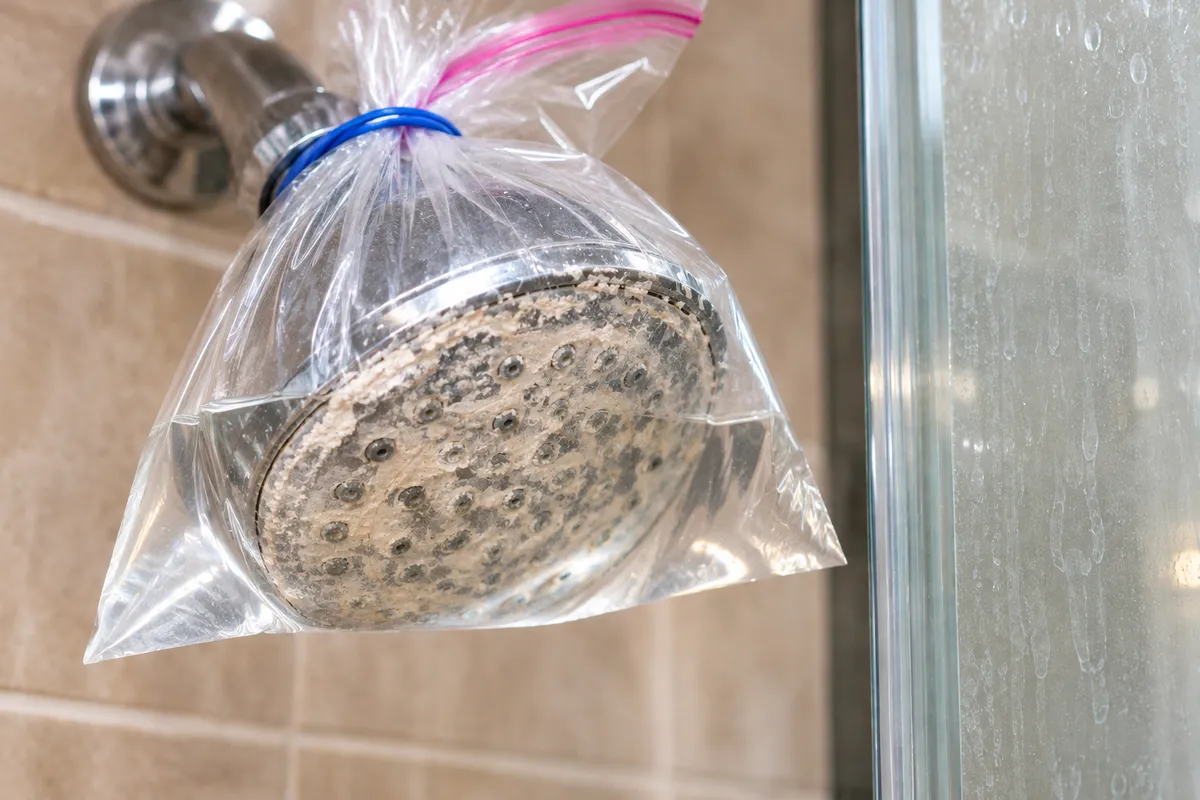
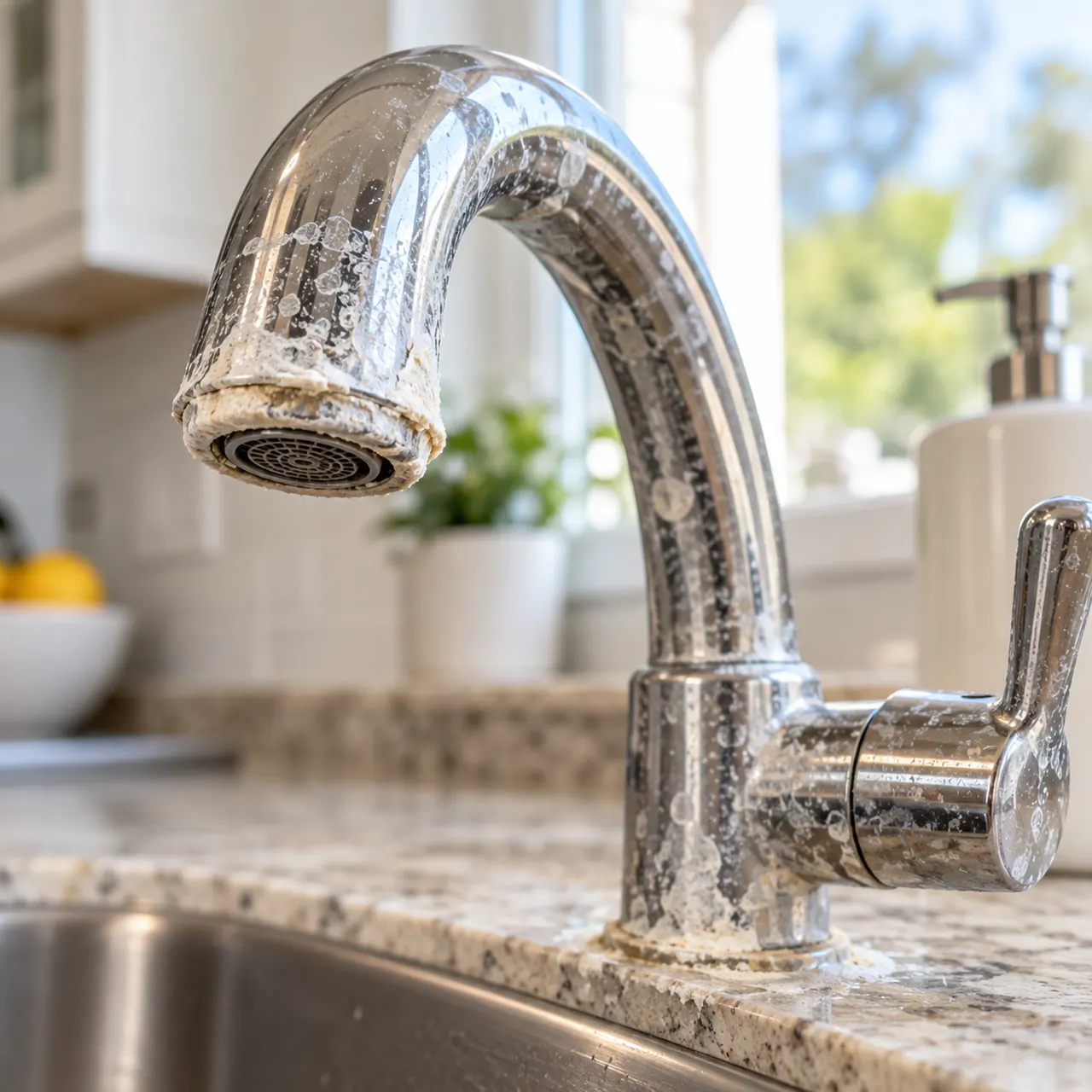
- Fix dripping faucets and showerheads. White crust around a drip is often hard water at work; our guide to cleaning faucet and showerhead crust can help.
- If you have a water softener and it seems to run much more often than it used to, don't change the valve settings yourself. Call or text the company that installed it so they can check it.
Questions about your own water?
Regional supply news is one thing; what comes out of your faucet is another. Our free in-home water test checks your raw water for hardness, chlorine or chloramine, pH and dissolved minerals. To set one up, call or text (727) 334-0333, or see the areas we serve.
Frequently asked questions
Are Tampa Bay watering restrictions over?
No. Tampa Bay Water eased its drought stage in November 2026, but lawn-watering rules come from the Southwest Florida Water Management District, which extended them through March 31, 2027. Keep following your assigned day and times at MyWaterDay.com or your local utility.
What is the difference between Stage II and Stage III?
These are Tampa Bay Water's regional supply stages. Stage III was an extreme regional water supply shortage. Stage II is a severe drought warning, one step less serious.
How full is the C.W. Bill Young Regional Reservoir?
Tampa Bay Water reported 14.23 billion gallons at the end of October 2026, about 92% of its 15.5-billion-gallon capacity.
Do the watering rules apply to private wells?
Yes. Hillsborough County says even homes on private wells are limited to one outdoor irrigation day per week.
Sources
- Tampa Bay Water Lifts Stage III Water Shortage After Wetter-Than-Normal October, Tampa Bay Water
- Modified phase III 'extreme' water shortage remains in place as drought conditions persist, Hillsborough County
We check local facts against official sources such as utility water quality reports and government notices. Spot something out of date? Text us at (727) 334-0333 and we'll fix it.